




Safety CultureSafety rules alone don’t prevent accidents. Culture does.
Trusted by organisations of every size,
across every industry



Not sure where to start?There is more to a good survey than the questions
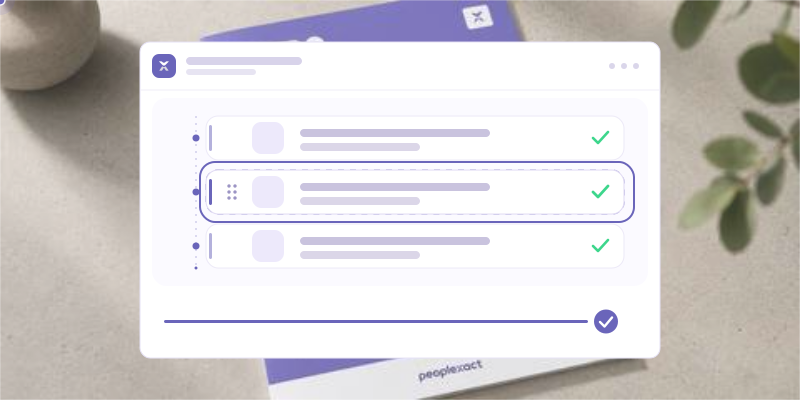
From procedures to everyday practiceUnderstanding the gap between safety procedures and everyday practice


Reveal whether employees feel able to speak up about risk and near‑misses

Track safety culture development over time with a consistent method
This is where safety culture fails
When people know the rules — but bend them anyway

When incidents are reported — but near‑misses are not

When safety depends on who is leading the shift

When productivity quietly outweighs safety
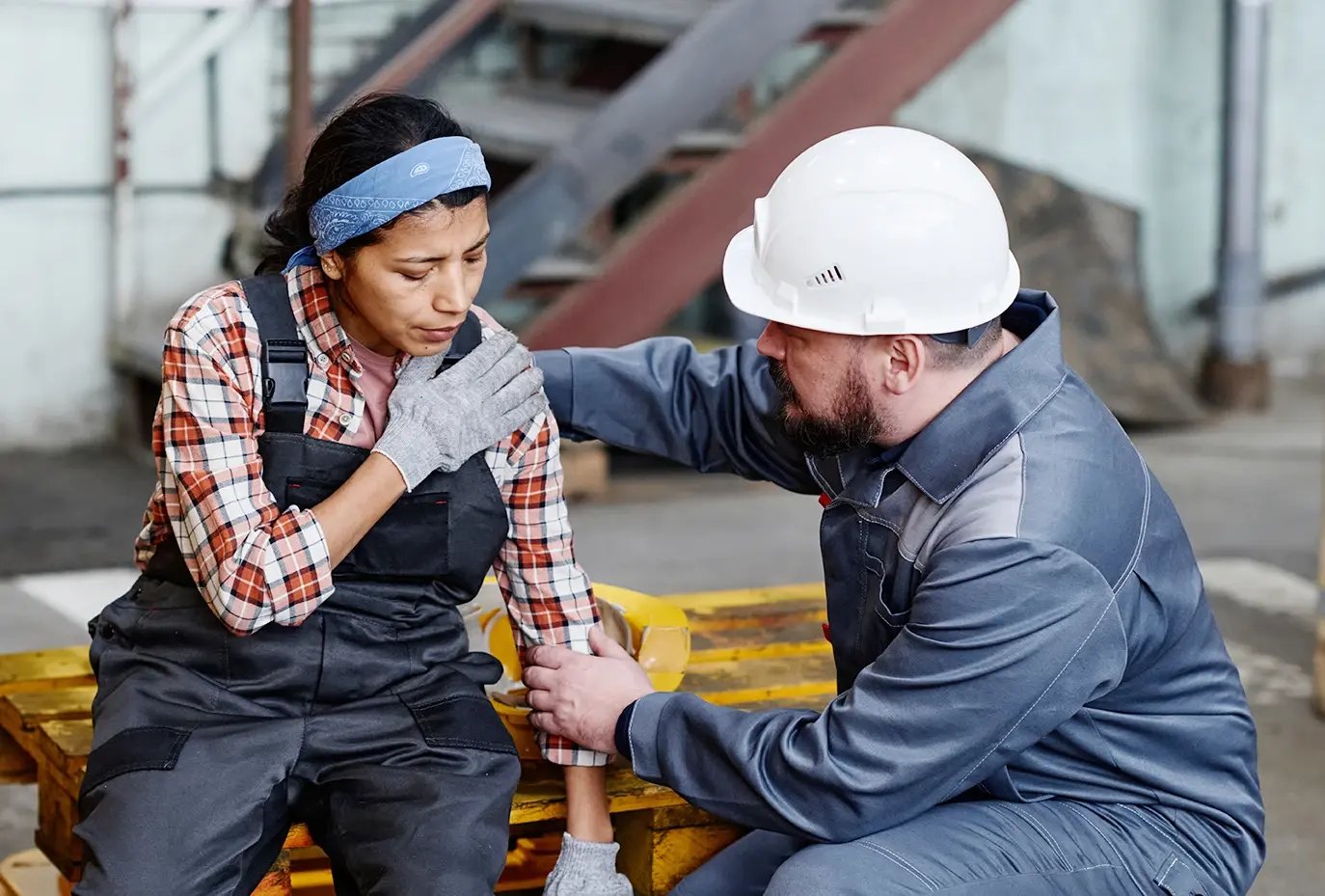
The impact of strong safety cultureSafety culture that reduces risk — and strengthens operations
Workplaces that work systematically with safety culture show significantly lower risk of critical accidents.
Source: Dyreborg, ScienceDirect, Table 3
Organisations that actively identify unsafe practices before incidents occur significantly lower the risk of severe workplace accidents.
Source: National Research Centre for the Working Environment, Table 16
Employees in highly rated physical work environments are far less likely to report work‑related sick leave in safety-critical industries.
Source: Peoplexact Insights
Employees are more likely to speak up about safety concerns when managers actively support safe behaviour and open reporting.
Source: Peoplexact Insights

Safety culture explained — beyond assessments and compliance
Peoplexact helps organisations complement existing safety efforts with behavioural insight — and understand how safety culture shows up in everyday work, collaboration and decision-making, where small gaps can quietly grow into risk.
Safety culture is

Safety culture is not

Safety culture shows up in everyday decisionsHelp leaders act on safety before incidents happen
Measure behaviour, not just procedures
Use validated survey models to understand how safety rules, leadership and accountability are experienced in daily work — consistently and at scale.

Give leaders clarity across teams and over time

See safety culture in context

Know that to do next, and where to start


You're never on your own
From onboarding to follow-up, you have direct access to a team that knows the platform inside out. Got a question about your results? Need help planning your next survey? We're ready when you are.

Safe to answer. Reliable to act on.
Peoplexact tracks teams, not individuals. Your data stays in Denmark, and every survey is built to protect anonymity — so your employees feel safe to answer honestly, and you get results you can actually rely on.
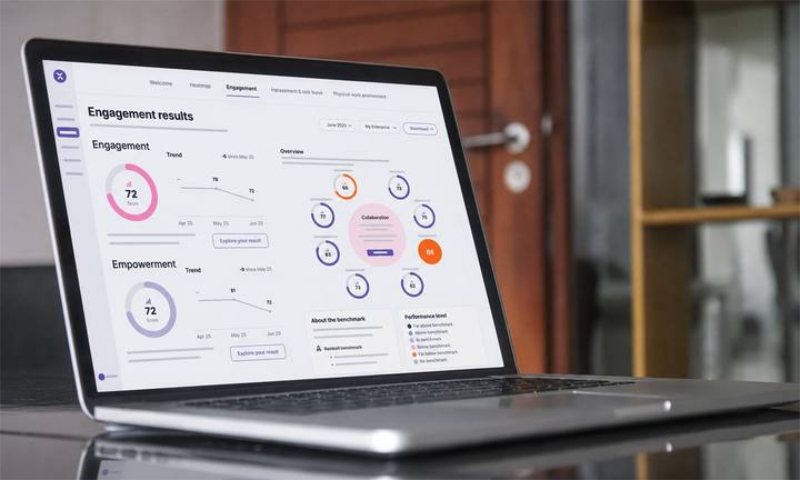
Book a demoA safer workday for your employees starts with better insight
Understand where procedures and everyday practice diverge
See where leadership behaviour increases or reduces risk
Know where to act before incidents occur

